 Qrave
QraveHistoric Centre of Camagüey
| Country |  Cuba Cuba |
|---|---|
| Year inscribed | 2008 |
| Criteria | (iv) (v) |
Overview
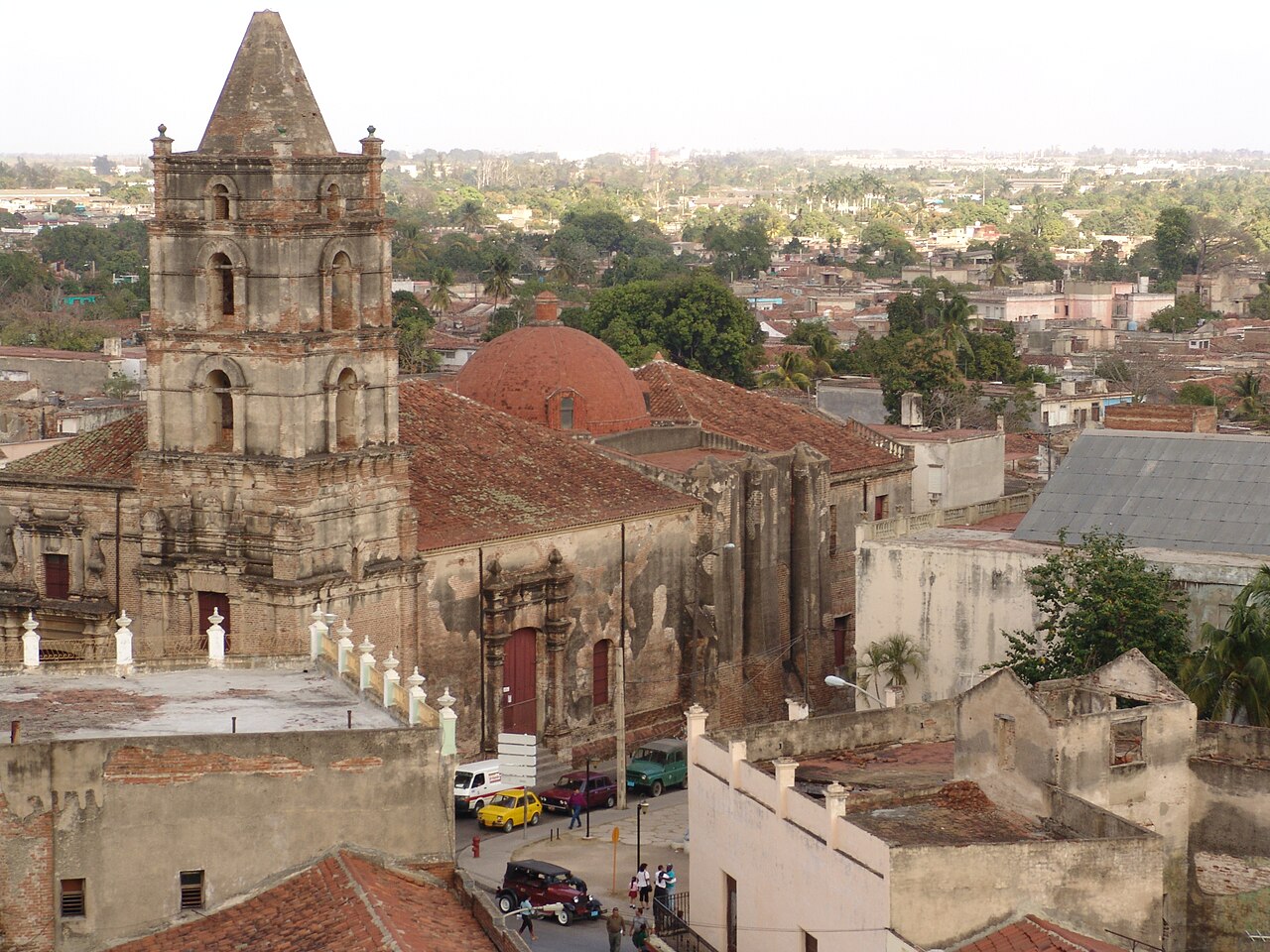
One of the first seven villages founded by the Spaniards in Cuba, Camagüey played a prominent role as the urban centre of an inland territory dedicated to cattle breeding and the sugar industry. Settled in its current location in 1528, the town developed on the basis of an irregular urban pattern that contains a system of large and minor squares, serpentine streets, alleys and irregular urban blocks, highly exceptional for Latin American colonial towns located in plain territories. The 54 ha Historic Centre of Camagüey constitutes an exceptional example of a traditional urban settlement relatively isolated from main trade routes. The Spanish colonizers followed medieval European influences in terms of urban layout and traditional construction techniques brought to the Americas by their masons and construction masters. The property reflects the influence of numerous styles through the ages: neoclassical, eclectic, Art Deco, Neo-colonial as well as some Art Nouveau and rationalism.
Track the World Heritage Sites you visit
Qrave is a travel log app that lets you check in to countries and UNESCO World Heritage Sites and fill in your own world map.


Source: UNESCO World Heritage List — CC BY-SA 4.0