 Qrave
QraveMantua and Sabbioneta
| Country |  Italy Italy |
|---|---|
| Year inscribed | 2008 |
| Criteria | (ii) (iii) |
Overview
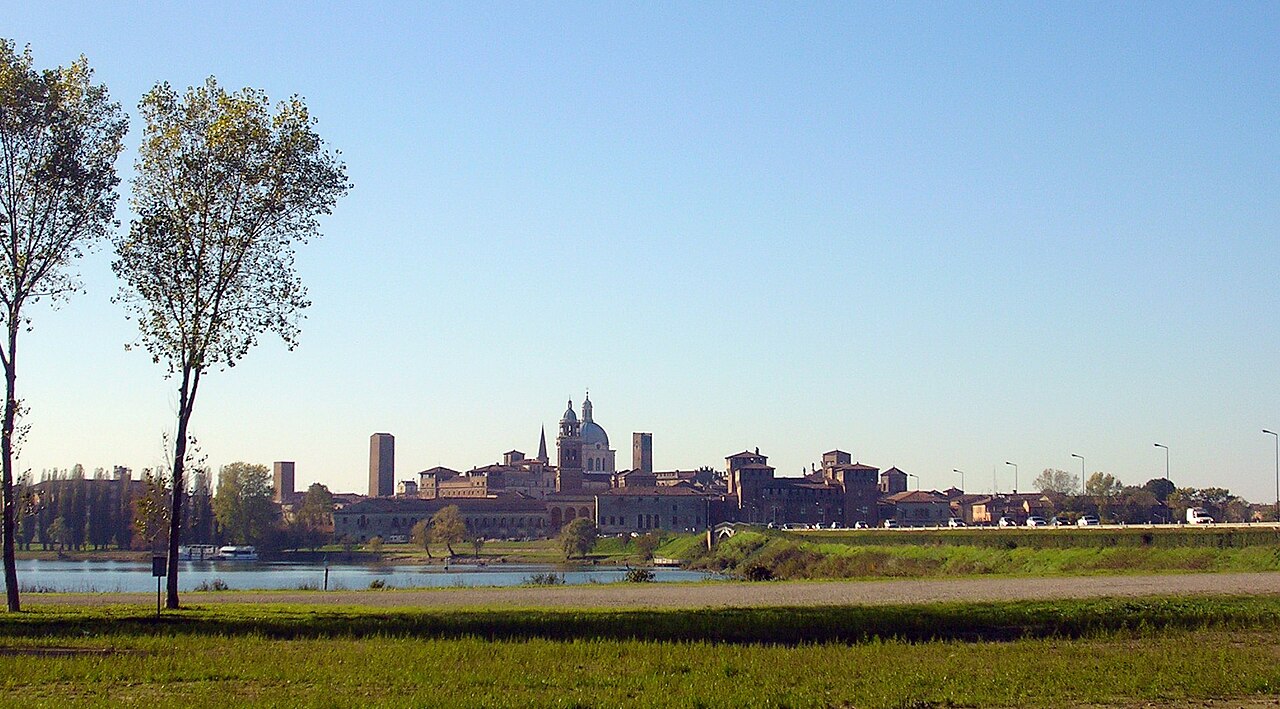
Mantua and Sabbioneta represent two aspects of Renaissance town planning: Mantua shows the renewal and extension of an existing city, while some 30 km away, Sabbioneta represents the implementation of the period’s theories about planning the ideal city. Typically, Mantua’s layout is irregular with regular parts showing different stages of its growth since the Roman period and includes many historical buildings, among them an 11th century rotunda and a Baroque theatre. Sabbioneta, created in the second half of the 16th century under the rule of Vespasiano Gonzaga Colonna, can be described as a single-period city and has a right-angle grid layout. Both cities offer exceptional testimonies to the urban, architectural and artistic realizations of the Renaissance, linked through the visions and actions of the ruling Gonzaga family. The two towns are important for the value of their architecture and for their prominent role in the dissemination of Renaissance culture. The ideals of the Renaissance, fostered by the Gonzaga family, are present in the towns’ morphology and architecture.
Track the World Heritage Sites you visit
Qrave is a travel log app that lets you check in to countries and UNESCO World Heritage Sites and fill in your own world map.


Source: UNESCO World Heritage List — CC BY-SA 4.0