 Qrave
QraveTehuacán-Cuicatlán Valley: originary habitat of Mesoamerica
| Country |  Mexico Mexico |
|---|---|
| Year inscribed | 2018 |
| Criteria | (iv) (x) |
Overview
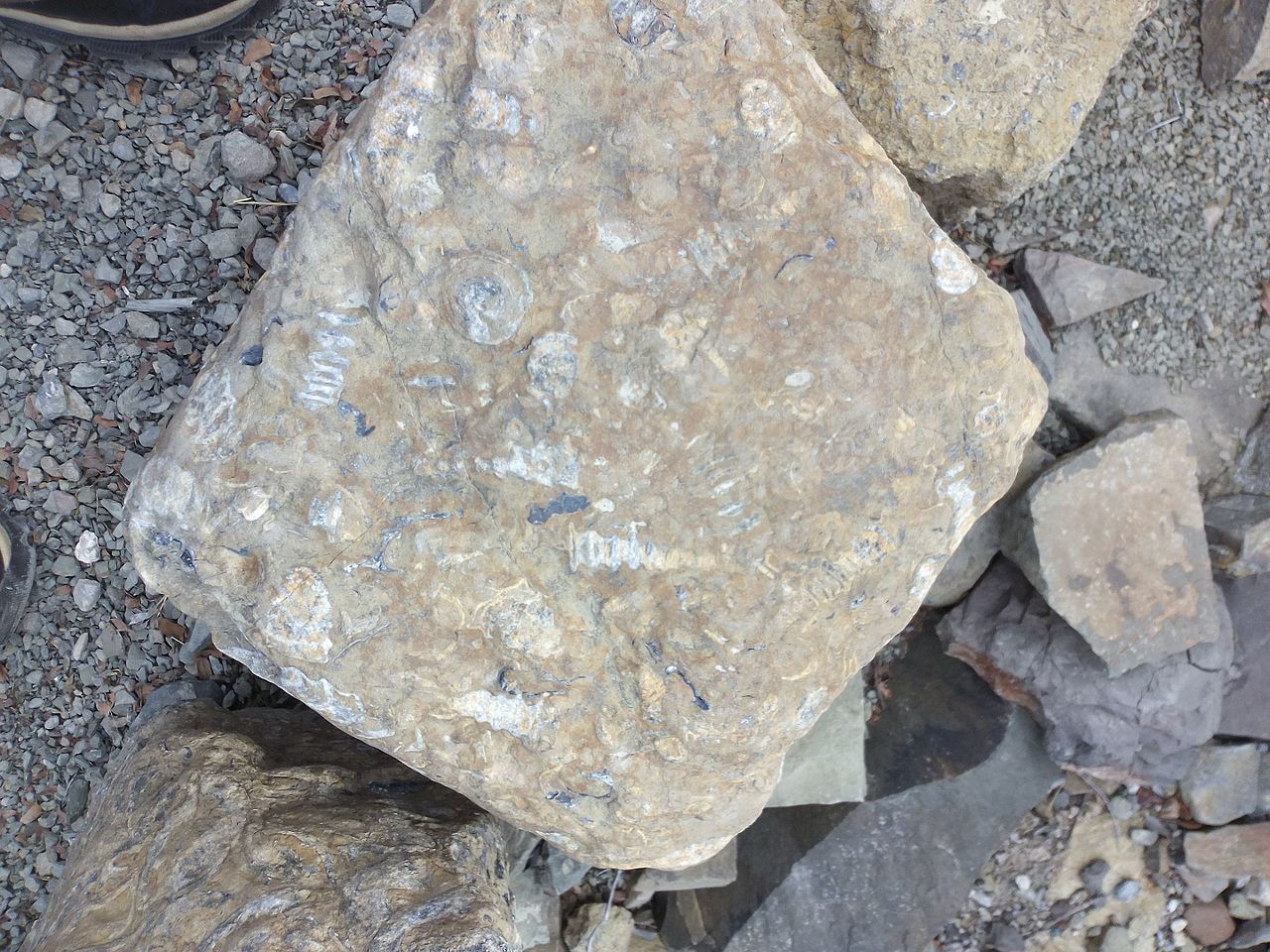
Tehuacán-Cuicatlán Valley, part of the Mesoamerican region, is the arid or semi-arid zone with the richest biodiversity in all of North America. Consisting of three components, Zapotitlán-Cuicatlán, San Juan Raya and Purrón, it is one of the main centres of diversification for the cacti family, which is critically endangered worldwide. The valley harbours the densest forests of columnar cacti in the world, shaping a unique landscape that also includes agaves, yuccas and oaks. Archaeological remains demonstrate technological developments and the early domestication of crops. The valley presents an exceptional water management system of canals, wells, aqueducts and dams, the oldest in the continent, which has allowed for the emergence of agricultural settlements.
Track the World Heritage Sites you visit
Qrave is a travel log app that lets you check in to countries and UNESCO World Heritage Sites and fill in your own world map.


Source: UNESCO World Heritage List — CC BY-SA 4.0