 Qrave
Hebron/Al-Khalil Old Town
| Country | PSE |
|---|---|
| Year inscribed | 2017 |
| Criteria | (ii) (iv) |
Overview
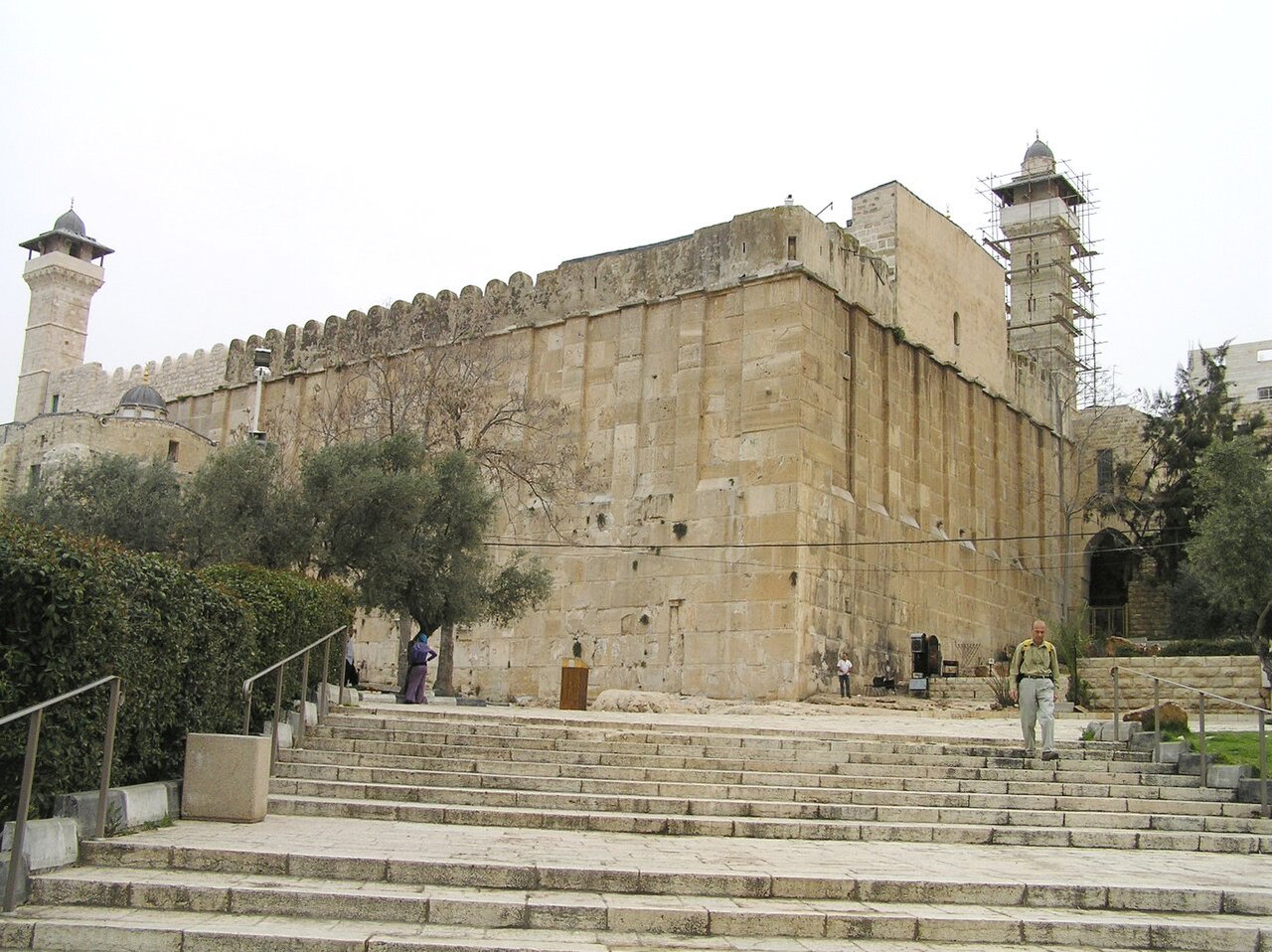
The use of a local limestone shaped the construction of the old town of Hebron/Al-Khalil during the Mamluk period between 1250 and 1517. The centre of interest of the town was the site of Al-Ibrahimi Mosque/The tomb of the Patriarchs whose buildings are in a compound built in the 1st century AD to protect the tombs of the patriarch Abraham/Ibrahim and his family. This place became a site of pilgrimage for the three monotheistic religions: Judaism, Christianity and Islam. The town was sited at the crossroads of trade routes for caravans travelling between southern Palestine, Sinai, Eastern Jordan and the north of the Arabian Peninsula. Although the subsequent Ottoman Period (1517-1917) heralded an extension of the town to the surrounding areas and brought numerous architectural additions, particularly the raising of the roof level of houses to provide more upper stories, the overall Mamluk morphology of the town is seen to have persisted with its hierarchy of areas, quarters based on ethnic, religious or professional groupings, and houses with groups of rooms organized according to a tree-shaped system.
Track the World Heritage Sites you visit
Qrave is a travel log app that lets you check in to countries and UNESCO World Heritage Sites and fill in your own world map.


Source: UNESCO World Heritage List — CC BY-SA 4.0